


Writing

Learning out loud.

Writing is how I figure out what I actually think. I don’t publish on a schedule. I publish when I’ve earned something worth saying about product strategy, building with AI, and how systems fit together.

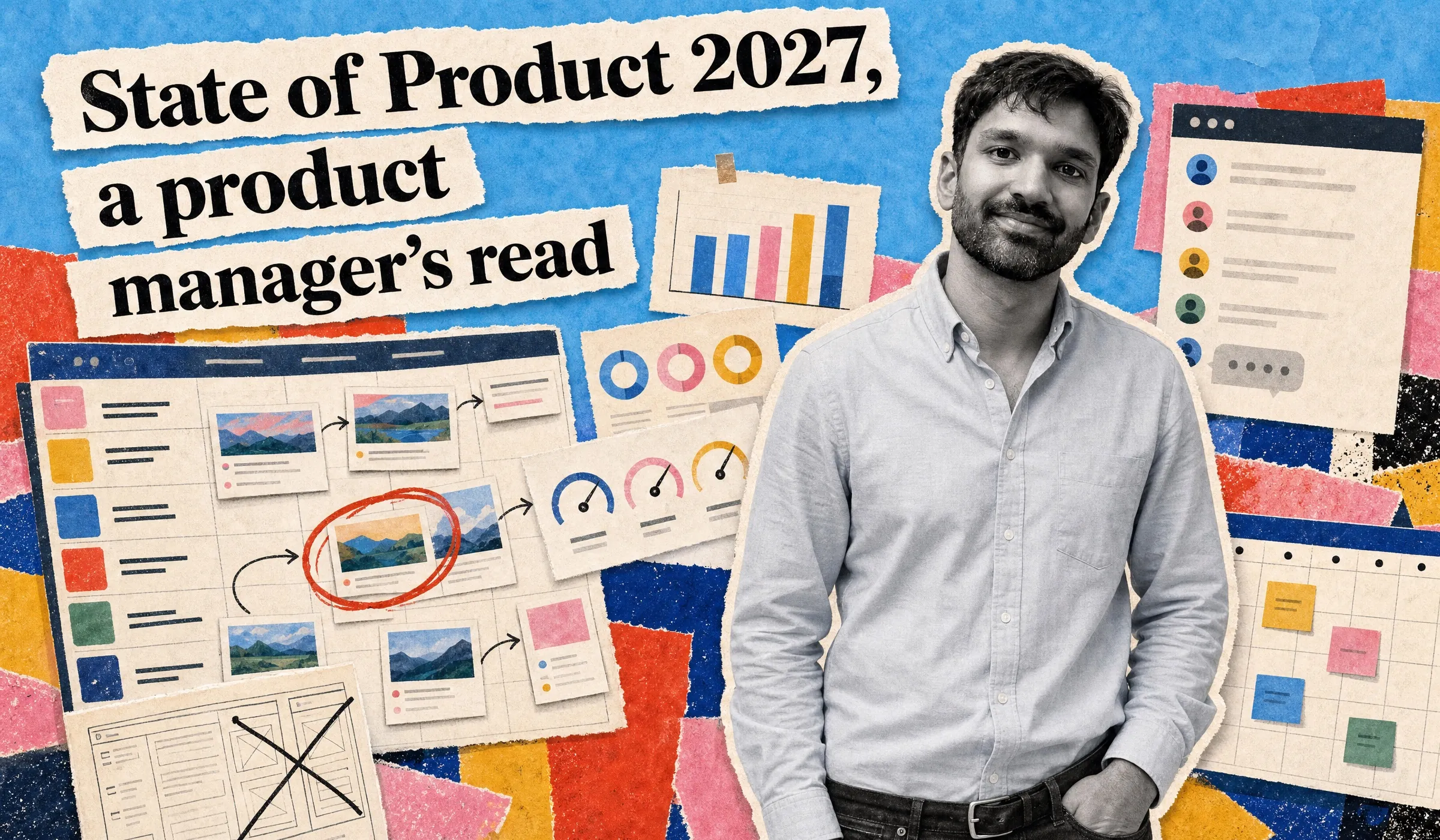
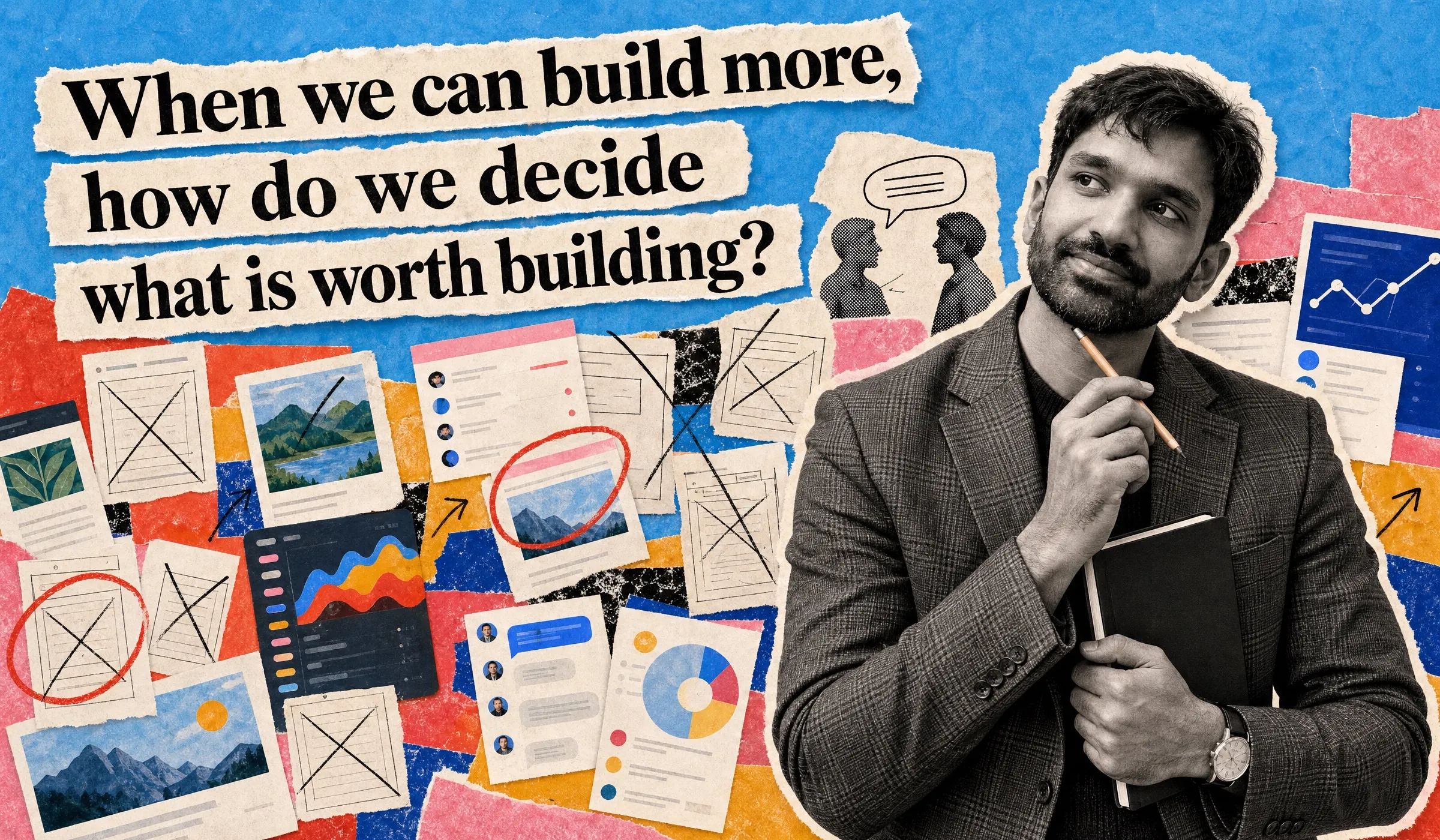
Nagesh Koritala in a camel sweater, writing in a notebook, beside a cut-paper collage of notes, sketches, and charts, with one idea circled in red.

Published writing

On this site.

On my desk Ideas I’m still working through

  • Idea

    How AI widens what one product builder can do

    What changes when one person can research, sketch, and build, all in the same week.

  • Idea

    When to build it myself, and when to set direction

    Some weeks the work needs my hands. Other weeks it just needs a clear direction.

  • Idea

    Using prototypes to learn

    Before I build a prototype, I decide what it has to answer. And what it can’t.

  • Idea

    What good looks like for an AI product

    What useful looks like, where it fails, and the acceptance criteria, all written down before launch.

Also published

More on LinkedIn.

More on AI, commerce, and the everyday craft of product. They live on LinkedIn, so these links take you there.

Read them on LinkedIn (opens in a new tab)

What I keep thinking about

Five threads I keep coming back to.

Most product writing is hindsight. I try to think out loud earlier.

  1. The bottleneck used to be building. Now it’s deciding what to build.

    AI and product judgment

    When AI makes building cheap, judgment is what’s scarce. The PMs who thrive won’t be the ones who ship fastest. They’ll spot when an idea isn’t worth a sprint, and say so early.

  2. A working version changes the meeting.

    Prototyping as strategy

    Showing beats telling. A cheap proof shifts the conversation, surfaces weak ideas sooner, and earns trust from people who’ve sat through too many decks.

  3. Taste? It’s the gap between what works and what feels right.

    Product taste

    Data tells you what happened. Taste helps you decide what to try next, and customers tell you whether you were right. The decisions that matter sit between what the metrics say and what the experience needs.

  4. A vision gets credible once it survives contact with customers.

    Execution and vision

    The gap between “we should” and “customers use it” is where product work gets quietly measured. Strategy gets sharper once it’s touched something real.

  5. Every product page is a decision. Most get designed like documents.

    Decision design

    The product page, the checkout, the configurator: each is a place where someone’s making up their mind. The best ones are designed around how much a customer has to hold in their head.

Say hello

Disagree with
something here?

Tell me where and why. Pushback makes the next piece sharper.

Nagesh Koritala in a grey sweater over a white collar, holding up a printed page covered in red-pen notes, smiling, beside cut-paper essay pages, two speech bubbles with a question mark, and a pencil.