




About

Engineer first. Product by choice. Still building.

Engineer first I helped write the code for checkout, product listings, navigation, and product pages.

Nagesh in a navy blazer over a white T-shirt, holding up a fan of product cards, beside a collage of product pages.

My story in short

Today I’m a product manager at Kohler, leading work across the conversion funnel: product discovery with AI shopping agents, product pages, payments, checkout, services, and store experiences.

I’ve worked in digital for 14+ years, and I started as a frontend developer on the team that built the store before it launched.

That engineering background still shapes my product decisions. I know the systems behind checkout, so I can work through tradeoffs with engineers. And I still build prototypes and evals myself.

Prefer to watch? My short intro, in my own words.

0:00
My intro · 1:32Why I moved from engineering into product, and how I work.
Read the transcript
  1. Hi, I’m Nagesh. Product manager at Kohler. Engineer by background.
  2. I started as an engineer. I wrote the code for checkout, then product listings, navigation, and product pages.
  3. I kept asking why. Curiosity pulled me into product. I love product management because every day starts with a real customer problem, and ends a little closer to solving it.
  4. Engineering and UX, together. A strategy only counts once people can use it. I get there with design thinking, agile, and a team that shares the evidence.
  5. I love the strategy and the bets. And I build prototypes myself, to make sure what we plan is desirable, feasible, and viable.
  6. I’d rather find the risks early, while they’re still cheap to change.
  7. I lead work across the conversion funnel, from AI shopping agents to product pages, payments, and checkout.
  8. The thinking behind the work: Your next customer might be an AI agent (working on the shopping agent showed me every product now has two shoppers). State of Product 2027, a product manager’s read (customers don’t feel your velocity; they feel your decisions). When we can build more, how do we decide what is worth building? (Building got easier. Choosing well did not.)
  9. Nagesh Koritala. Product manager. Engineer by background. nageshkoritala.com

Complete your install

For this product

  • Toilet$340.00 (included)

We recommend

  • Toilet seat$39.99 (included)
  • Wax ring kit$10.63 (included)
  • Supply line$8.62 (included)
  • Cleaning tablets$24.00 (not included)

Selected (4)$399.24

Add to cart (4)

Illustrative concept

One example

Recommendations

Helping customers finish the job

Once customers choose a product, the help they need changes.

  1. The customer problem

    Our recommendations helped shoppers explore similar products. But once someone chose a toilet, their next question changed:

    “What else do I need to install it?”

    Depending on what came with it, they might still need a compatible seat, installation supplies, or tools. Finding that out after delivery can mean another trip to a store.

  2. My decision

    I wanted the product page itself to answer that next question, right where customers decide, instead of leaving them to find out after delivery.

  3. My contribution

    I worked with our merchandising teams to identify the items customers need alongside their chosen product. On the product page, they see the toilet with what we recommend for the install. They choose what to include, see the total price, and add it all to the cart in one click.

Live It’s live on the site, and it helped increase average order value, units per transaction, and cross-category sales.

Choosing the product is one step. I want to help customers feel prepared for what comes next.

How I work

Start with the problem. Test the idea. Follow it through.

I work across product pages, checkout, payments, AI shopping, and the selling tools behind them. The same three habits carry across all of it.

  1. Understand the customer’s actual problem

    I start where customers hesitate. On the AI shopping agent, real shopper questions showed what people needed to know before buying. I sorted them by where the answers fell short, and often the cause was the product data, not the model.

  2. Make tradeoffs and test assumptions

    In checkout, I brought the problem to the team, and we agreed to fix what was failing before adding anything new: we traced a recurring payment error to how authorization responses were classified and fixed it at the root. Then I ranked new payment methods by how much each could cut abandonment.

  3. Bring teams together and follow through

    Checkout changes touched web, mobile, the payment processor, and order management, so I used the payment ranking to align those teams, leadership, and stakeholders on one order of work. On the AI shopping agent, I’ve been the product manager for every release, writing the guardrails and improving it from eval results and customer feedback.

More on how I work

Experience

Each layer still holds up the next.

Engineering, commerce product work, and now AI. I didn’t leave one behind to start the next.

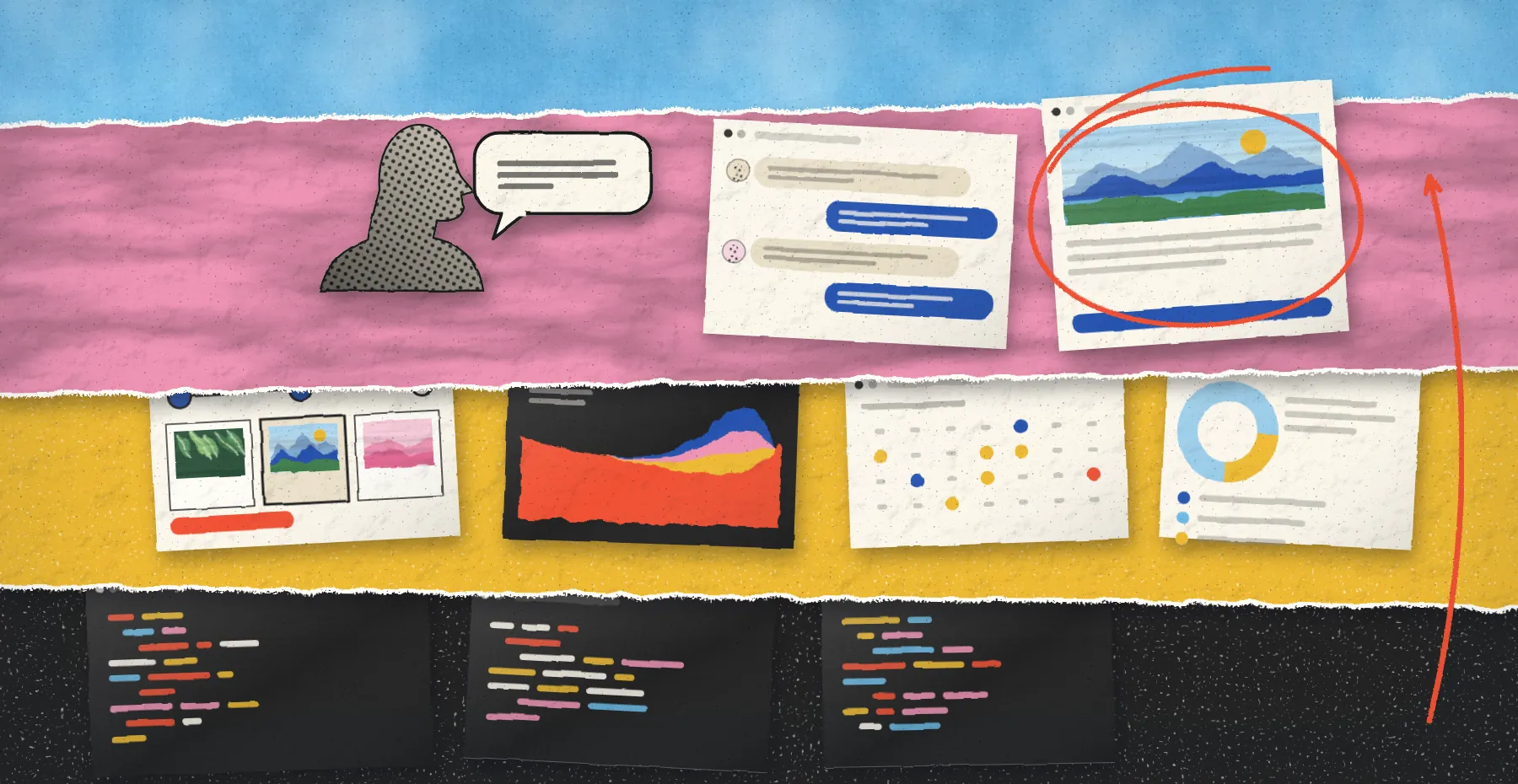
Illustration: three paper layers stacked like rock strata. Code fragments on the dark bottom layer, product charts and steps on the mustard middle layer, and conversation and phone screens on the pink top layer, with a red arrow rising through all three.
Illustration
  1. Where I started

    Developer

    I built pages and interfaces for big consumer brands.

    • Frontend and UI
    • Responsive pages
    • Accessibility
  2. Then I went deeper

    Senior frontend developer

    I led frontend for the site and built the analytics and testing behind it, so every page could be measured and improved.

    • Analytics data layers
    • A/B testing
    • 3D and AR
  3. Then I crossed over

    Technical product owner

    I built a delivery team from scratch and launched brand websites on one content platform.

    • Delivery teams
    • Content platforms
    • Personalization
  4. Now

    Product manager, digital commerce

    I look after the buying experience across the conversion funnel, from discovery to order confirmation, working with design, engineering, and the business.

    • AI shopping and evals
    • Checkout and payments
    • Guided selling

Education M.S. Computer Science · Executive MBA

Certificates SAFe PO/PM · UVA Darden product certificate · Product School AI certificate · AWS Solutions Architect

These are career stages. My official titles and full history are on LinkedIn. View on LinkedIn (opens in a new tab)

Now

What I’m building and learning now.

The fundamentals still matter, and my judgment keeps improving with practice. What’s changing fast is how I build and test ideas, so I keep a clear line between what’s live and what’s still a prototype.

  • In production

    AI shopping agent

    The agent is live on the site. When its answers fall short, I trace them back to the product data and recommend fixes to the catalog teams.

  • Prototypes

    Working builds on real product data

    A shower system builder, and a luxury bag configurator for one of my essays. Alongside my team’s current work, I prototype what’s next and hand it over when they’re ready.

    See the prototypes
  • Live · Iterating

    Product pages that AI agents read too

    The first version is live on the site: product pages that answer AI shopping agents as well as people. Now I’m working on the next iteration.

Tools I use most

Building with AILLM APIs, Replit, Cursor, Figma Make

Commerce and contentAdobe Experience Manager, commercetools, Lucidworks, inRiver PIM

Testing and analyticsAdobe Target, Adobe Analytics, Quantum Metric

Where I’m heading Closer to the decisions that matter most, with clearer evidence and teams that learn faster together.

How I keep learning In my free time, I listen to product talks and write down what I learn. Read my writing

Say hello

Got a decision customers
keep stalling on?

I’m interested in where shoppers hesitate and what helps them move forward. If you’re thinking about similar problems, I’m always glad to compare notes.

Nagesh Koritala in a denim jacket over a black T-shirt, holding out a phone showing a rough prototype, smiling, beside a laptop of code and a three-step flow circled in red.