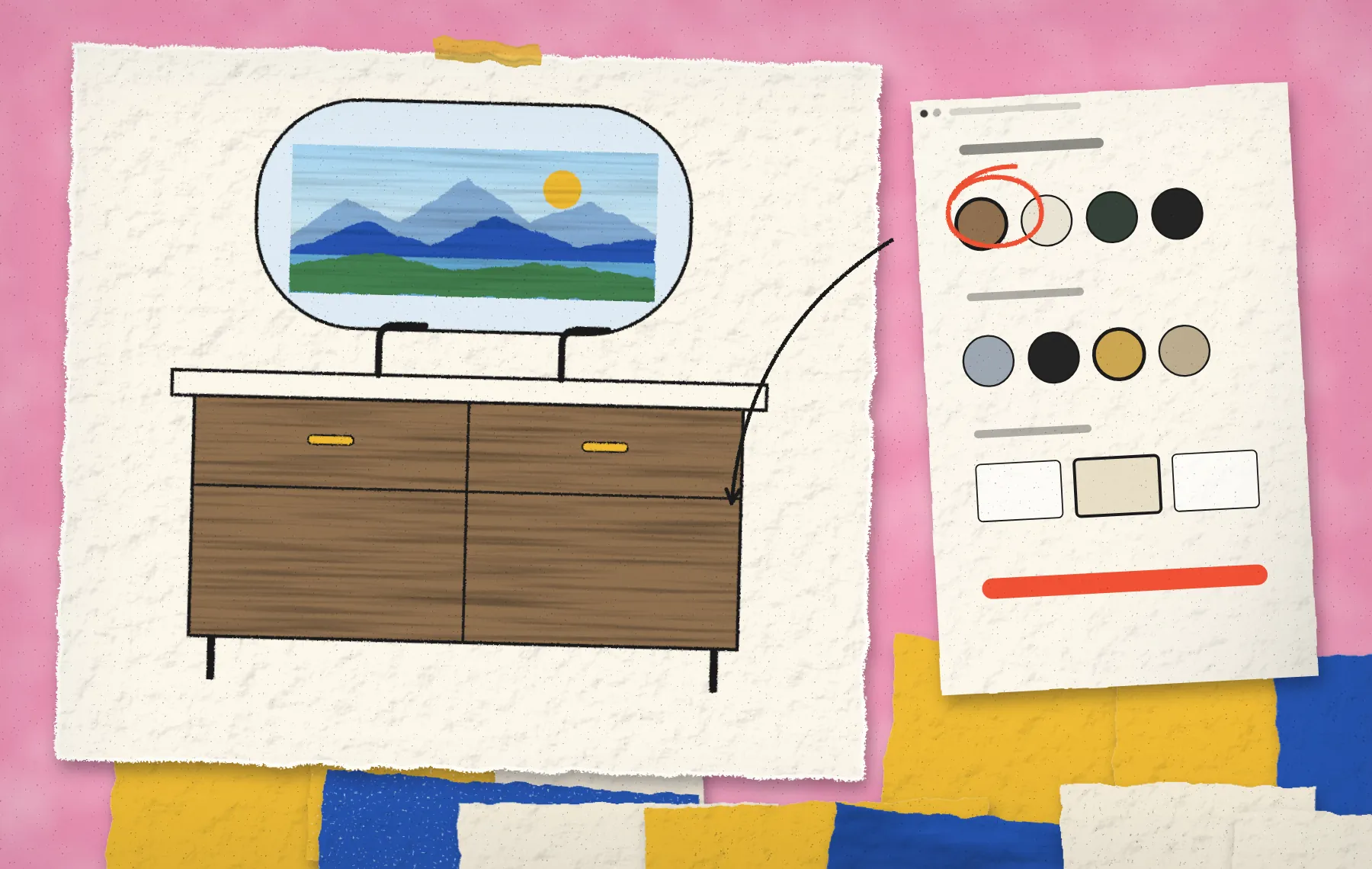
Luxury configurator: Jute Vanity
Can configuring a complex product feel as considered as shopping in a luxury store?
The point: Give leadership a working thing to react to, not a description of one.
Prototypes
These are working things, not mockups. Each one answers a question before we spend a sprint on it, and gives my team something to try instead of something to imagine.

What I’ve built
Each one started with a question, then met real constraints and real people reacting to it.
Can configuring a complex product feel as considered as shopping in a luxury store?
The point: Give leadership a working thing to react to, not a description of one.
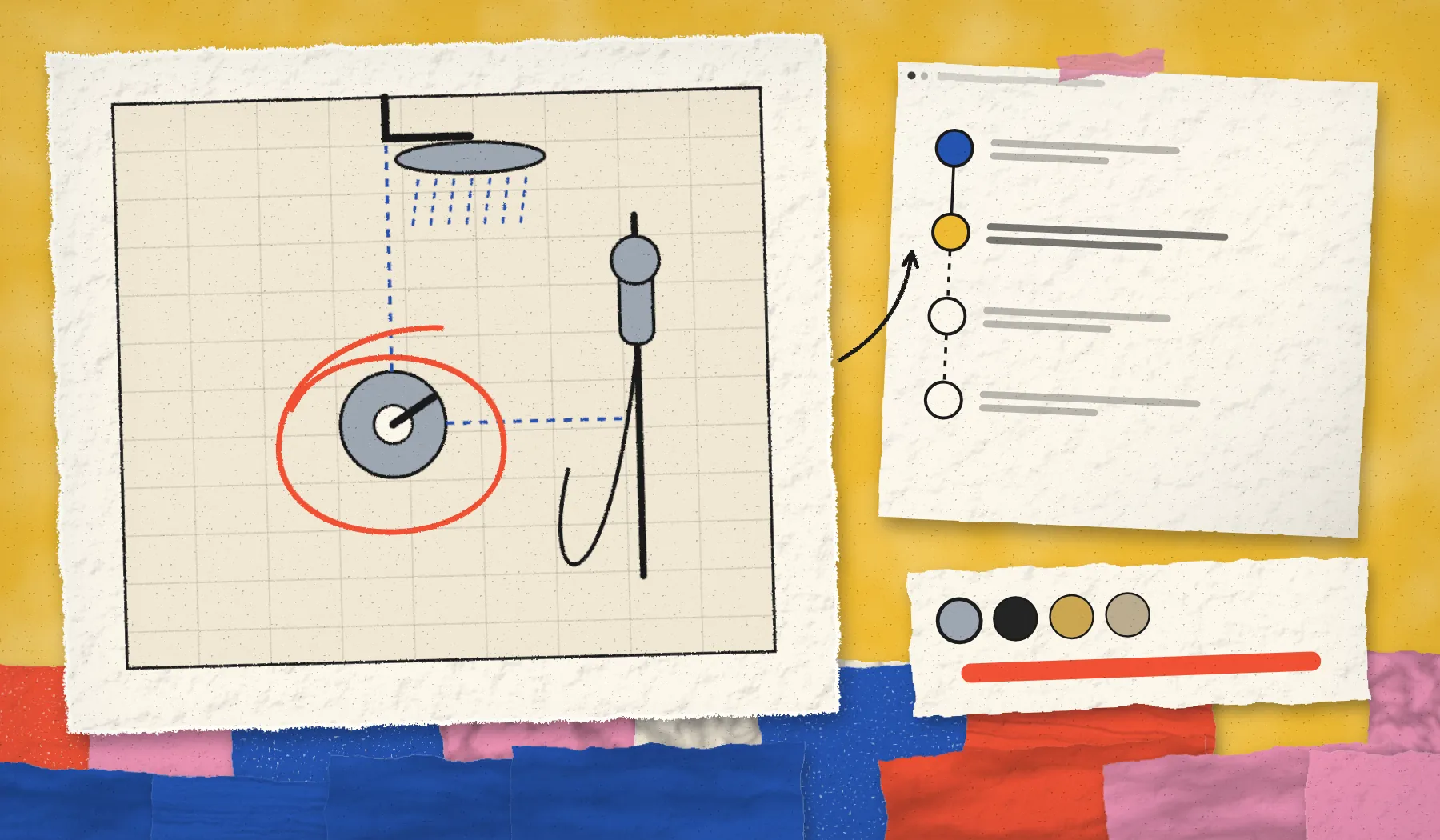
More than fifteen components, with rules about which ones fit together. Can that feel simple instead of overwhelming?
What it tested: Does a guided flow beat open selectors when every part has to fit?
Try the prototype (opens in a new tab) access code
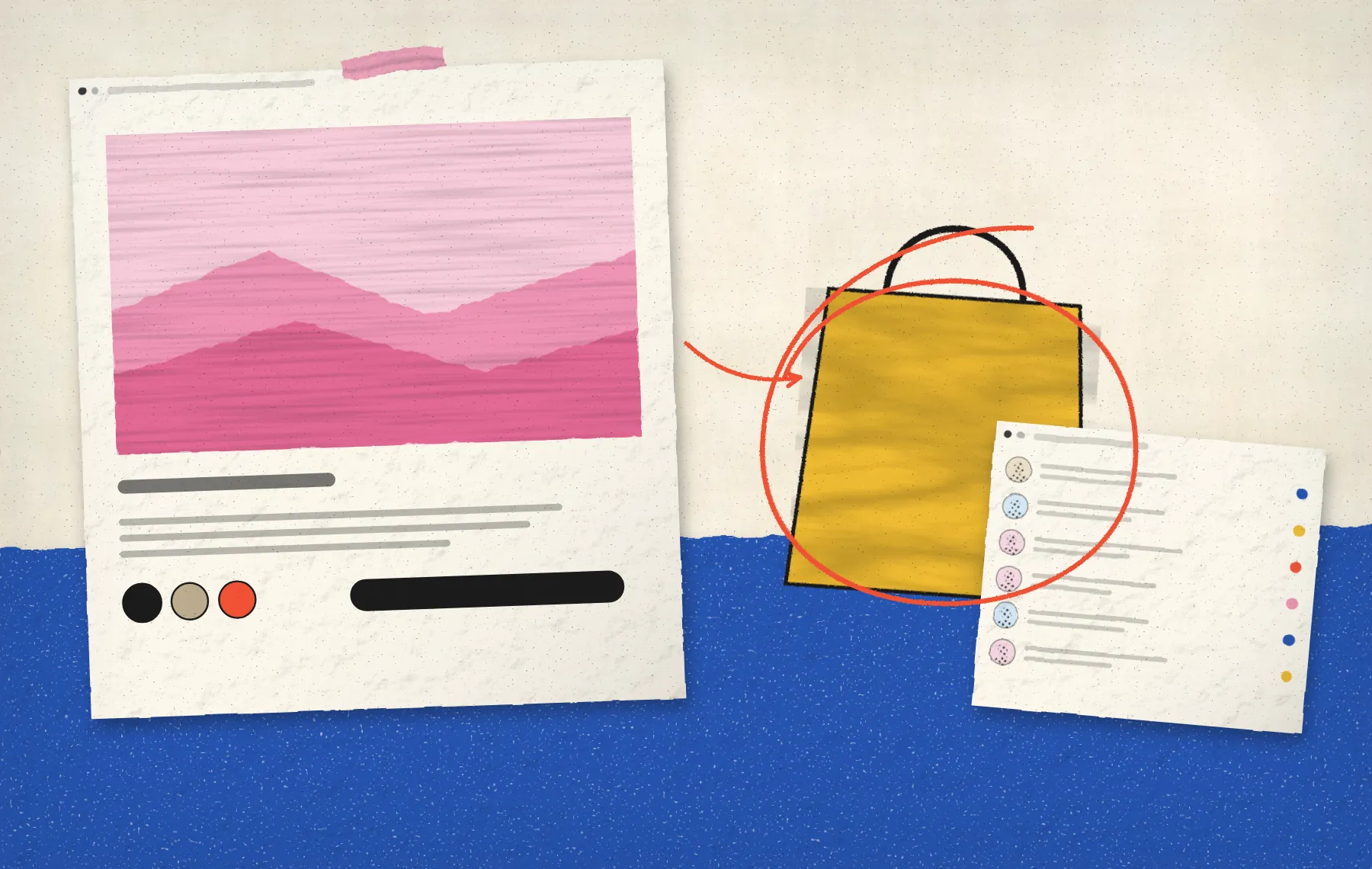
How far can AI carry a whole brand experience, from the product page to the bag?
What it tested: A full shopping prototype with routing, an in-memory cart, and a live bag preview. I built it on my own to see how far AI-native design holds up.
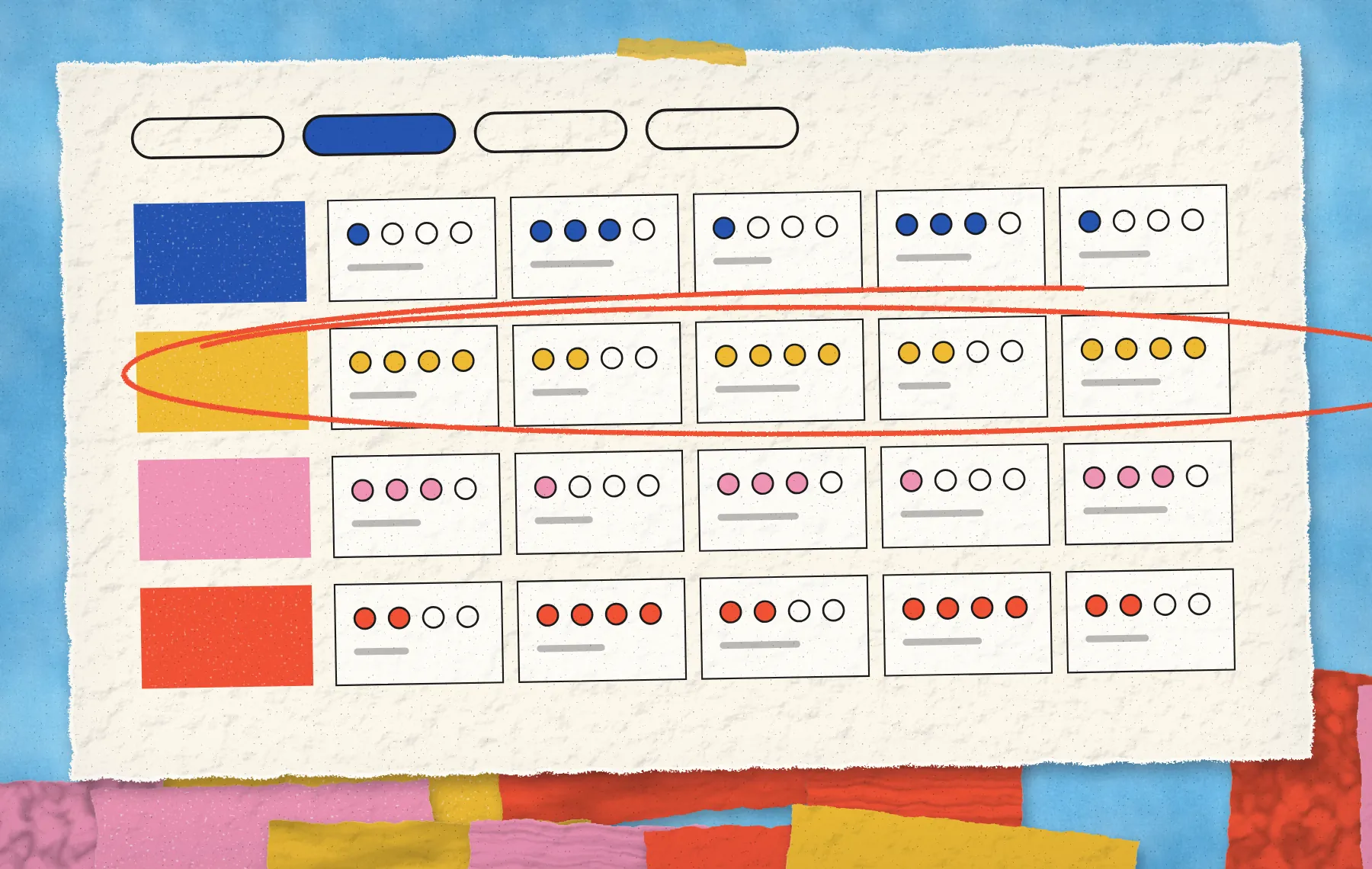
What does the market look like when we all see it in one view?
What it’s for: Four layers of competitors: direct plumbing brands, premium home, retail partners, and direct-to-consumer brands. You can click through and filter it, so everyone starts from the same picture of the market, in one place.
How I build
Roughly the same five steps each time. The quickest way I know to settle a hard question is to hand people something they can use.
Listen for the pause
Most of mine start the same way. Someone says “I wonder if…” and the room goes quiet, because nobody knows. That quiet usually means a small working version would help.
Learning over polish
My first versions are rough on purpose. At this stage I’m just trying to learn, so speed beats polish. With AI tools, this step takes hours now. It used to take days.
Fresh eyes
I hand it to someone who wasn’t in the room when I built it, and watch where they pause and what they skip. That teaches me more than anything I could guess on my own.
Keep the learning
The code usually gets thrown away. So I write down what we learned and what we decided because of it. That’s the part worth keeping.
The decision is the point
When I bring a prototype to leadership, I’m not asking them to review code. I’m handing them a specific question and something they can try, so we can make the call.
Why it matters
A working prototype can turn a long back-and-forth into a short, friendly conversation.
Because it’s kinder to everyone’s time. Once people can see and click the idea, we stop arguing about what it might be. We talk about what’s in front of us.
Proof got a lot cheaper to build. Work that once took a designer, an engineer, and several days can now start with one person and an evening. So the hard part is deciding what’s worth building at all.
To answer a question. Every prototype here started with something nobody in the room could answer yet, and building it was the fastest way to find out.
Say hello
Got an idea you keep coming back to? Bring it, and we can sketch the smallest believable version together.
nagesh@nageshkoritala.com
